Landscape rock is supposed to be the low-maintenance choice, and in Arizona it mostly is. But “low maintenance” doesn’t mean “no maintenance.” Between relentless sun, monsoon downpours, foot traffic, and everyday wear, even the best gravel bed slowly loses the crisp, full look it had on day one. The good news: catching it early makes a refresh quick and affordable, long before you need a full re-do.
Here are five clear signs it’s time to refresh your landscape rock, and what to do about each one.
1. You can see the ground through the rock
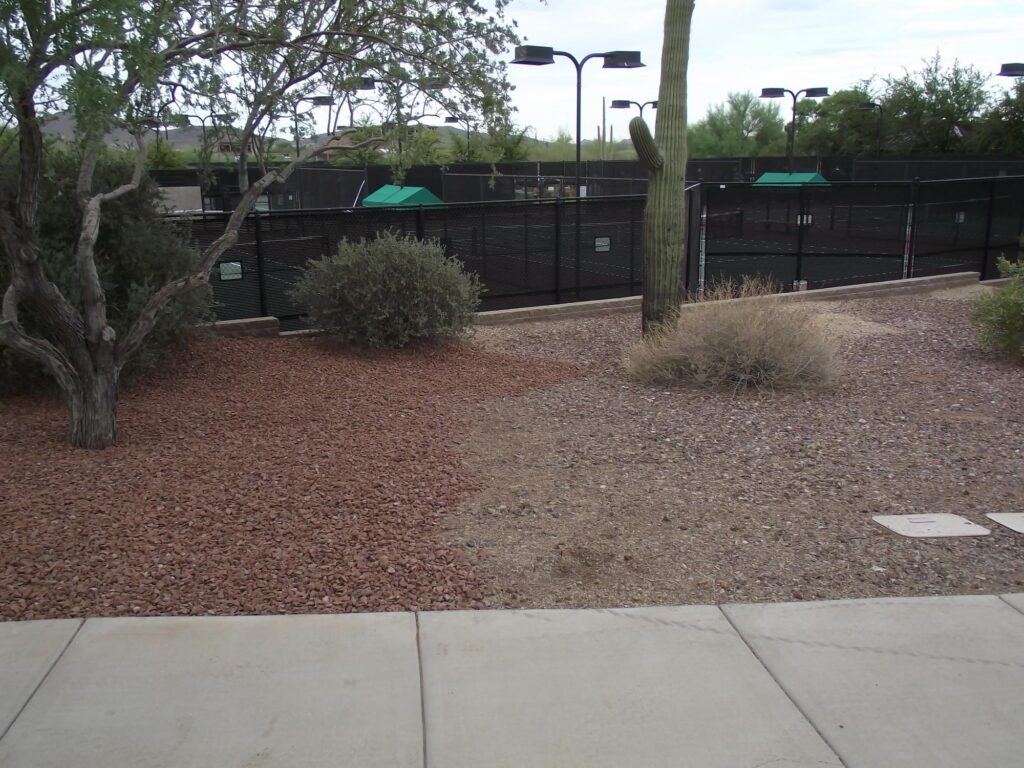
The most obvious sign is coverage. A healthy rock bed sits about two inches deep, enough to hide the soil or weed fabric underneath. Over the years, gravel settles, scatters, and works its way into the dirt, and thin spots start to show. Once you can see bare ground, dirt, or weed barrier peeking through, the bed has dropped below that two-inch mark.
Thin rock doesn’t just look tired, it stops doing its job. A proper layer suppresses weeds, holds moisture in the soil, and keeps dust down. When it thins out, weeds find the light and the whole yard starts to look neglected. A simple gravel replenishment top-off brings the depth back without disturbing what’s already there.
2. The color looks dull and dusty
Rock is natural stone, so it doesn’t bleach or fade in the sun the way dyed mulch does. What actually dulls it is dust and dirt. Over a long, dry Arizona stretch, a fine film settles into the surface and mutes the color, so rich browns, golds, and reds start to look flat, gray, and tired, even though the stone itself hasn’t changed.
Sometimes a good rinse revives it. More often, the fastest way to bring back that clean, rich look is a fresh layer of the same material, since new stone hasn’t collected years of dust and dirt. If you’re not sure which color you originally had, our team can help you match it from our selection of decorative granite and landscape rock.
3. Weeds are pushing through
A few weeds are normal. A steady march of them is a symptom. Weeds take hold when the rock layer gets thin enough to let sunlight reach the soil, or when the weed fabric beneath has torn or degraded. If you’re pulling weeds far more often than you used to, the rock is telling you it’s thinned out.
Topping the bed back up to full depth chokes off the light weeds need to germinate. For a longer-term fix, it’s also the right moment to repair or replace worn weed barrier before the fresh rock goes down.
4. Rock has migrated, piled, or washed out
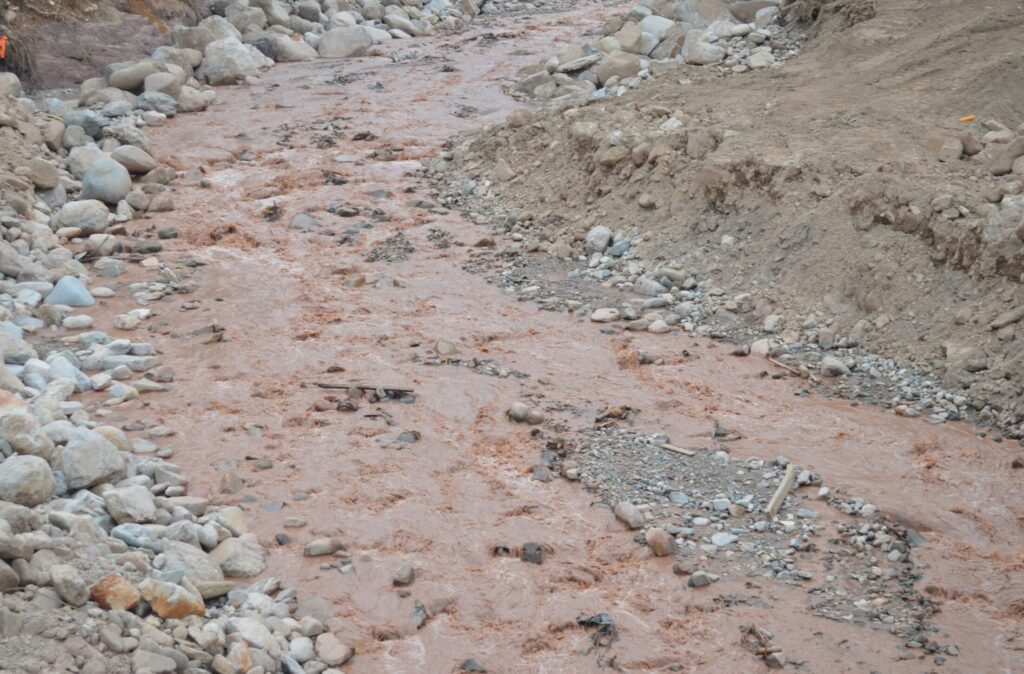
Gravel moves. Slopes, storm runoff, and even the direction people walk all push rock out of place, leaving bare low spots and unwanted piles against curbs, sidewalks, and drains. Arizona’s monsoon season is especially rough, carving ruts and washing gravel clean out of beds in a single storm.
If your yard has developed bald patches next to drifts of piled-up rock, it needs regrading and refilling, not just more gravel dumped on top. In washout-prone areas, this is also a good time to ask about riprap or better grading to keep it from happening again.
5. It simply looks tired next to the neighbors
Sometimes the clearest test is the curb-appeal test. If your property looks dull and dated next to freshly rocked homes or common areas nearby, that contrast is doing you no favors, especially for HOAs, rentals, and businesses where first impressions matter. A refresh is one of the fastest, most affordable ways to make an entire property look cared-for again.
Refresh vs. replace: which do you need?
Most tired rock only needs replenishment, a fresh layer spread over what’s already there to bring back depth and color. It’s far less expensive and disruptive than a full tear-out. A complete new rock installation only makes sense when you’re changing colors, the old material is badly contaminated with dirt, or you’re redoing the landscape from scratch. Not sure which camp you’re in? For a deeper look at timing, see our guide on how often to replenish landscape rock in Arizona.
Frequently asked questions
How deep should landscape rock be?
About two inches is the sweet spot for most Arizona yards and common areas, enough to hide the soil, suppress weeds, and hold up to sun and wind without being wasteful.
Can you just add rock on top of the old rock?
In most cases, yes. If the existing bed is reasonably clean and just thin or faded, a fresh layer spread over it restores the look beautifully. If the old rock is full of dirt or badly piled, we’ll regrade first so the finish is even.
How long does a refresh last?
It depends on sun exposure, slope, and traffic, but a properly topped-up bed generally looks great for several years before it’s ready for the next light refresh.
Ready to bring your rock back to life?
If any of these signs sound familiar, we’d be glad to take a look. As Arizona’s most trusted gravel replenishment company, we refresh rock for homeowners, HOAs, and businesses across the state. Request your free, no-pressure estimate and we’ll help you decide whether a simple refresh or a full install is the right call.