By October, Arizona finally exhales. The 110-degree afternoons give way to mornings you would actually want to spend in the yard, and that shift makes fall the best stretch of the year for a landscape rock refresh. The monsoon is over, the weather cooperates, and the spring rush has not started. If your gravel looked tired all summer, now is the window to fix it.
Here is why fall beats the other three seasons for a rock refresh, and what to tackle while it lasts.
The weather finally cooperates
Summer does not just make yard work miserable. It makes it slower and harder on everything involved. Spreading and grading rock in 108 degrees is rough on a crew and rough on any plants that get disturbed. October highs across the Phoenix metro usually settle into the 80s and 90s, which is comfortable working weather and far easier on plantings you move during the job. Cooler soil helps too, so anything new you add alongside the fresh rock roots in without the summer stress.
You can finally see the monsoon damage
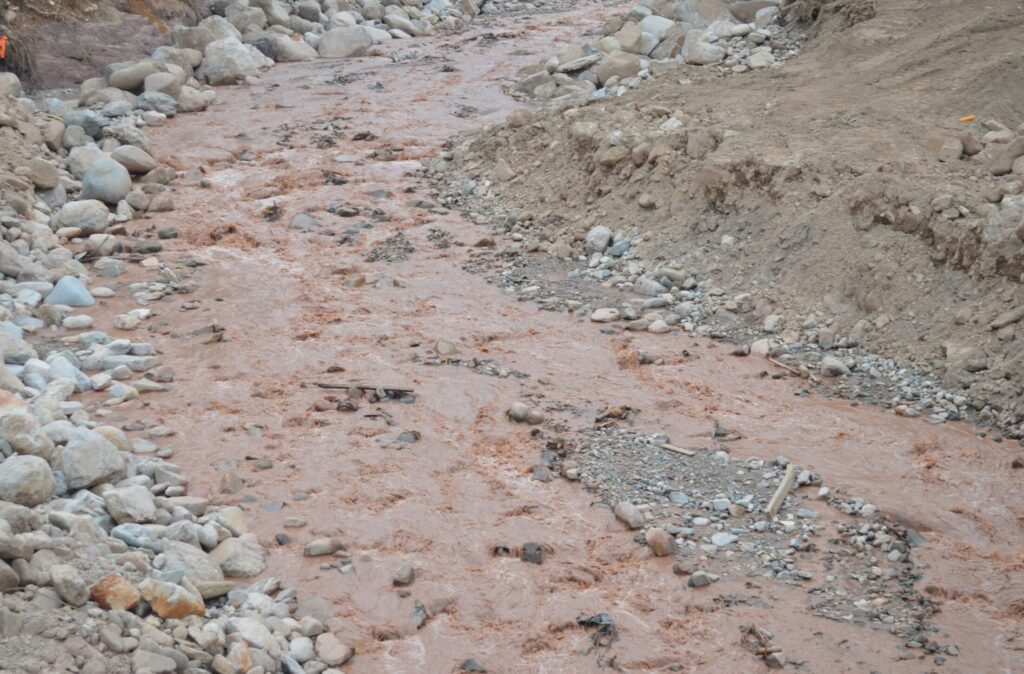
Arizona’s monsoon runs from mid-June into September, and it reshapes yards every single year. Runoff carves channels, drags gravel downhill, and leaves bare patches uphill with piles collecting in the low spots. By October the storms are done, so what you are looking at is the final damage, not a moving target. That makes fall the right time to regrade the washed-out areas and top the whole yard back to a full two-to-three-inch depth, instead of patching mid-season and watching the next storm undo it. If a spot moved rock this year, our guide to fixing monsoon washout walks through doing it right.
Curb appeal before the people arrive
Fall is when Arizona fills back up. Winter visitors and snowbirds start rolling in through October and November, seasonal rentals turn over, and anyone listing a home wants it sharp for the busy cool-season market. Fresh rock is one of the fastest, cleanest ways to make a property look cared for, and it reads instantly from the curb. For a residential yard, that is the difference between a listing photo that pops and one that looks dusty. For HOAs and rental communities, timing the common-area refresh for early fall means everything looks its best right as traffic picks up.
Get ahead of winter weeds
Cooler nights wake up Arizona’s winter weeds. London rocket, mustard, and little mallow germinate through the fall. A refresh now does double duty. A full rock layer blocks the light those seeds need, and it is the natural moment to lay fresh weed barrier or put down a fall pre-emergent before anything sprouts. Walking into winter with deep, clean rock is the easiest way to spend less time pulling weeds in January.
Why not just wait for spring?
Spring works too, and plenty of people book then. But spring in Arizona brings wind and pollen, a short runway before the summer heat lands, and a crowded calendar as everyone schedules at once. Fall gives you the same mild weather with none of that rush, and it leaves your yard looking its best through the whole cool season, which is exactly when you are outside enjoying it. Summer is brutal for the work. Deep winter is fine but collides with the holidays. October into November is the sweet spot.
Booking early in the season also means you pick the date, not whatever is left.
The jobs worth pairing with a refresh
Fall is also the efficient time to fold in the small repairs that make the next refresh last longer. While a crew is already moving rock, it is the natural moment to reset edging that has buckled, slip a weed barrier under the thin areas, and regrade the one corner that funnels water the wrong way. Doing them together beats three separate trips, and it means the fresh rock goes down over a yard that is actually ready for it.
If you are adding desert plants, fall is their season too. Cooler soil lets new shrubs and cacti settle their roots before summer hits, so coordinating the planting with the rock work saves you from tearing into a finished bed later.
What to do this fall
- Top off decorative granite to a full two to three inches, filling the thin and bare spots first.
- Regrade any channels the monsoon carved before refilling, so next summer’s runoff has somewhere to go.
- Refresh or add riprap where water concentrated this year, instead of replacing the same small gravel that keeps moving.
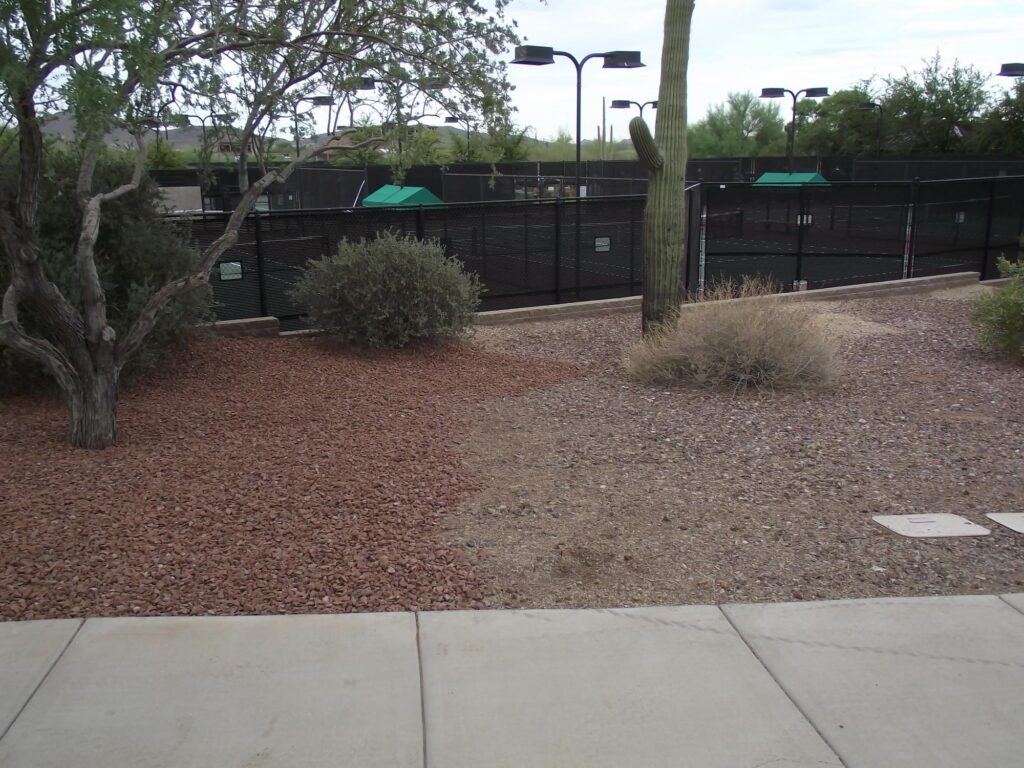
- Match the rock type, size, and color so the refresh blends with what is already there.
Most tired yards need a replenishment, a fresh matched layer over the existing rock, not a full tear-out. It is faster and cleaner than starting over. If you are not sure whether yours is due yet, here is how often Arizona rock needs replenishing.
Frequently asked questions
Is fall really better than spring for landscaping in Arizona?
For rock work, usually yes. Fall offers the same mild temperatures as spring without the wind, pollen, and pre-summer booking rush, and it leaves your yard looking sharp through the cool season when you spend the most time outside.
How long does a rock refresh take?
Most residential replenishments are a one-day job, depending on yard size and access. Larger properties and HOA common areas get scheduled to fit the site. A free estimate gives you the real timeline for yours.
Should I wait until after the holidays?
No need, and waiting usually means a busier calendar and a yard that looked tired through the season. Early fall gets it done while the weather is ideal and ahead of the winter-visitor rush.
Fall is short in the desert, and the good dates fill up. If your rock did not survive the summer, now is the time. We have replenished more rock than anyone in Arizona and we will tell you exactly what your yard needs. Request a free estimate or call (602) 905-7099, and we will get you on the schedule.